
Modelling microbial environmental processes
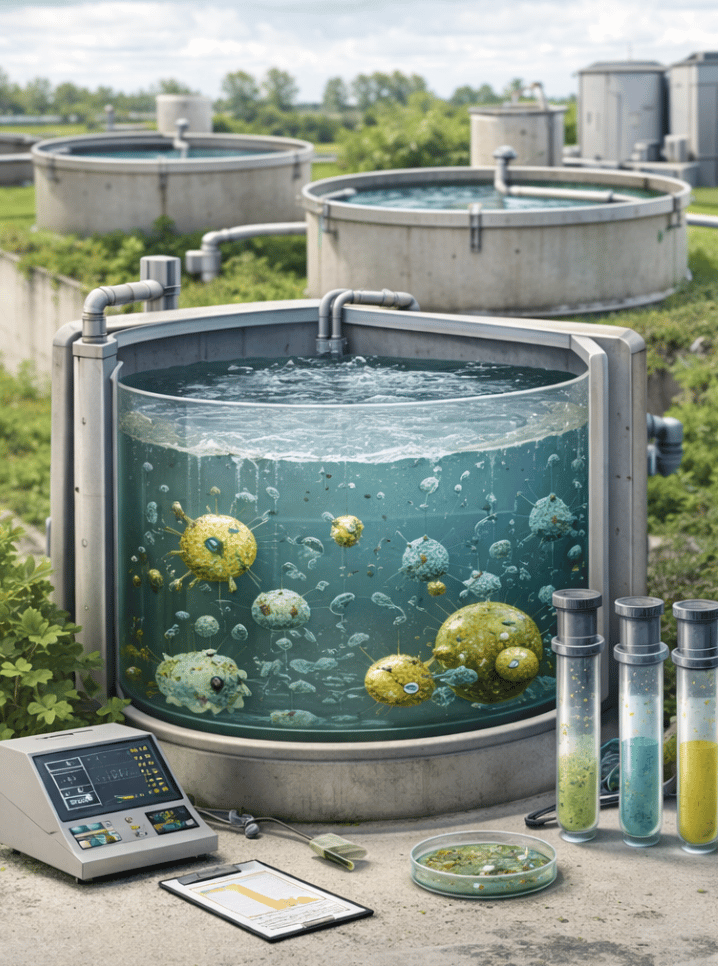
One of the main research lines of the laboratory focuses on the development of mechanistic mathematical models of microbial processes applied to water treatment and environmental biotechnological engineering.
This work integrates metabolic and bioenergetic modelling frameworks to describe how microorganisms allocate resources, operate under thermodynamic constraints, and organise into functional communities within complex systems.
These approaches are applied to bioprocesses such as biological wastewater treatment, mixed-culture anaerobic fermentations and emerging resource-recovery technologies, with the aim of improving the understanding, design and control of robust, efficient and scalable microbial bioprocesses.


Epidemiological Modelling of Infectious Diseases
The second major research line of the laboratory addresses the mathematical modelling of infectious disease dynamics, with a particular focus on COVID-19, tuberculosis, dengue fever and other transmissible diseases of public-health relevance.
This line combines mechanistic models with data-informed approaches to describe disease transmission, host–population interactions, and the impact of public-health interventions.
Developed in collaboration with health authorities and institutional partners, this research aims to generate quantitative tools that support decision making, scenario analysis, and health-policy planning, while maintaining a strong emphasis on mechanistic interpretation and biological realism.
Our experimental lab
Our experimental lab is integrated as part of the Center for Membranes and Advanced Water Technology (CMAT) in Khalifa University, which provides access to state of the art bioreactors and analytical facilities.


